









TikTok Gives Creators More Control Over Keyword Metadata: What It Means for Social Search
TikTok Gives Creators More Control Over Keyword Metadata: What It Means for Social Search
TikTok Keyword Metadata: What the Update Actually Changes for Creators and Brands
TikTok has quietly become one of the most powerful search engines on the internet, especially for younger audiences. Now, with its latest update around TikTok keyword metadata, creators have more direct control over how their videos are categorized and discovered. This isn’t just a small dashboard tweak — it changes how content gets indexed, how TikTok social search works, and how brands should approach influencer discovery.
For creators and marketers, understanding TikTok keyword metadata is becoming as important as writing a strong video title or caption. In this deep dive, I’ll break down what the update actually does, how it fits into the larger shift toward creator SEO, and what it means for brands looking for influencers. I’ll also show how platforms like KOL Find are turning this new metadata layer into actionable partnership intelligence.
The Announcement: Creators Gain New Keyword Controls
The core news is straightforward: TikTok is giving creators more explicit tools to define keyword metadata for their videos. Instead of relying only on captions, hashtags, or on-screen text, creators can now provide structured keywords that help TikTok understand the topic, context, and intent behind a piece of content.
This matters because search and recommendation systems depend on reliable signals. A caption might say “check this out,” and a hashtag might be #fyp, but neither tells TikTok what the video is actually about. Keyword metadata closes that gap. It gives the algorithm a clearer picture of the video’s subject matter, which improves how it appears in TikTok social search results and on the For You page.
In practice, this feels like a natural evolution. TikTok has been testing keyword-related features for a while, and this update formalizes the relationship between creators and the search index. It also signals that TikTok wants to compete more seriously with Google and YouTube as a destination for discovering answers, tutorials, and niche content.
How TikTok Keyword Metadata Works Under the Hood
Let’s get technical for a moment. When you upload a video to TikTok, the platform processes multiple signals: the audio track, visual frames, overlay text, captions, hashtags, and now explicit keyword metadata. The key distinction is that metadata is structured data meant specifically for machine understanding.
Metadata is not a visible caption. It might not appear on screen at all. Instead, it’s a set of terms associated with the video file and its entry in TikTok’s content graph. Think of it as a layer of instructions for the algorithm: “This video is about sourdough bread baking for beginners,” not just “yum” or “breadtok.”
This matters for TikTok social search because search engines need to match query intent with document relevance. If someone searches for “how to fix a squeaky door,” TikTok looks through captions, hashtags, and metadata to find videos that genuinely address that task. Metadata that accurately describes the video’s content improves the chance of a strong match.
There’s also a difference between metadata and the spoken or on-screen content. Video understanding technology can transcribe speech and detect objects, but it’s not always reliable for niche topics or subtle meanings. Keyword metadata gives creators a way to clarify what the video is about, especially when the visual content is abstract or trend-driven.
The Shift Toward Creator-Led Social Search
TikTok search behavior has been growing for years. People use TikTok to find restaurant recommendations, travel itineraries, career advice, and product reviews. The platform has become what many SEO professionals call a “social search engine.” The keyword metadata update reinforces this direction by making creators active participants in search optimization.
Before this, creators had limited control over how their videos appeared in search results. Hashtags helped, but they were often abused. Captions were inconsistent. The new metadata controls give creators a more direct lever. Now, if you want to rank for “minimalist desk setup,” you can explicitly tell TikTok that your video is about that topic.
This is a significant psychological shift as well. Creators are starting to think like SEO publishers. They’re asking questions like: What are people searching for in my niche? What keywords match my content? How do I structure metadata to stay authentic while improving visibility? That mindset is the essence of creator SEO.
Understanding TikTok Keyword Metadata and TikTok Social Search
TikTok Keyword Metadata as a Search Ranking Signal
Search ranking on TikTok is still a black box, but we can infer a lot from how Google and YouTube evolved. Metadata is one of the strongest relevance signals because it is intentional. When a creator labels a video with specific keywords, they are essentially telling TikTok, “This content is designed for people searching for these terms.”
TikTok social search likely combines metadata with engagement signals, watch time, and user behavior. If a video with well-chosen metadata also gets strong watch-through rates, it has a better chance of ranking. Metadata alone won’t save a low-quality video, but it can be the difference between a great video getting discovered and one that gets lost in the noise.
For creators, this means keyword metadata should be part of the content creation workflow, not an afterthought. Choose the primary topic before filming, include relevant terms in the spoken script, and then reflect those terms in the metadata field. This alignment helps TikTok connect the dots between what you say and what you tag.
TikTok Social Search: Moving Beyond Hashtags and Captions
Hashtags were the original discovery mechanism on TikTok, but they have limits. A hashtag like #fitness can apply to thousands of unrelated videos. Captions are often too short or too casual. The new metadata layer allows for more semantic search — matching the meaning behind a query, not just the exact text.
This is a fundamental shift. Instead of only looking for videos that contain the exact phrase “beginner yoga routine,” TikTok can now understand that a video tagged with “vinyasa flow for beginners,” “yoga basics,” and “morning stretching” is relevant to that query. That kind of semantic matching is what makes TikTok social search feel intuitive.
It also creates opportunities for long-tail keywords. Creators can target specific niche queries that have less competition but high intent. A finance creator can optimize for “how to budget on a variable income” rather than just “money tips.” As TikTok’s search index grows, these long-tail signals will become increasingly valuable.
The Connection Between Creator SEO and Social Search Rankings
Creator SEO is not just about getting more views. It’s about building a sustainable presence on a platform where search drives discovery. The keyword metadata update is a direct invitation for creators to treat their videos as searchable assets.
In my experience working with content teams, the creators who win are the ones who treat metadata as part of their editorial strategy. They do keyword research before production, align their metadata with the video’s core value, and track which terms actually drive search traffic. This approach turns TikTok into a compounding channel: every optimized video becomes a long-term entry point for new audiences.
For brands, this means influencer partnerships should include creator SEO as a selection criterion. A creator who understands how to use TikTok keyword metadata is more likely to produce content that generates search-driven awareness, not just one-time view spikes.
Creator SEO: Turning TikTok Keyword Metadata Into Visibility
Keyword Research for TikTok Creator SEO
Keyword research on TikTok is more accessible than traditional SEO. The platform itself is the best tool. Start by typing your main topic into the TikTok search bar and observe the auto-suggest phrases. These are real queries from real users. For example, if you type “home office,” you might see “home office ideas on a budget,” “home office setup for small spaces,” or “home office aesthetic.”
Next, look at trending topics in your niche. TikTok’s Creative Center shows performance data for popular hashtags and sounds, but you should also check the comment sections under competitor videos. People often ask questions that reveal search intent. Those questions are keyword gold.
You should also study competitor content. Note which videos rank for your target terms and what metadata patterns they use. Are they specific or broad? Do they focus on a single topic or multiple angles? Reverse engineering successful examples is one of the most practical ways to learn TikTok social search.
Optimizing TikToks with Keyword Metadata Without Keyword Stuffing
The biggest risk of any metadata update is over-optimization. Creators might be tempted to fill every field with trending terms, hoping to trick the algorithm. That approach usually backfires. TikTok’s systems are sophisticated enough to detect mismatch between metadata and actual content.
The best practice is to choose two or three core keywords that genuinely describe the video. If you’re making a video about “how to clean white sneakers,” your metadata should reflect variations like “sneaker cleaning,” “white shoe care,” and “easy cleaning hacks.” Don’t add unrelated terms like “celebrity news” or “viral challenge” just to chase reach.
Authenticity still matters. TikTok audiences can sense when content is made for the algorithm rather than for them. Keep the video itself useful and engaging. Metadata should clarify what the video is about, not promise something it doesn’t deliver. In other words, align your metadata with the actual experience.
Measuring the Impact: Rankings, Views, and Search Traffic
How do you know if your keyword metadata is working? Start with TikTok Analytics. Look at the “Traffic Source” breakdown to see how many views come from search. If search referrals increase after you optimize your metadata, you’re on the right track.
You can also monitor profile visits and follower growth. Search-driven views often come from users with high intent, so a rise in profile visits after a new upload is a good sign. Some creators track specific keyword rankings manually by searching their target terms in the TikTok app. This isn’t perfect, but it gives you a sense of whether your content appears on the first page.
Third-party analytics tools can provide more robust tracking, including keyword position estimates and share-of-voice data. For serious creators and brands, combining TikTok’s native analytics with an external dashboard is the most reliable way to evaluate performance.
Real-World Examples: Creators Winning with Keyword Metadata
Let’s consider a realistic scenario. A small cooking channel specializes in one-pan meals. Before the metadata update, the creator relied on hashtags like #recipes and #dinnerideas. After the update, they start adding keyword metadata like “one pan chicken recipes,” “easy weeknight dinners,” and “minimal cleanup meals.” Within a few weeks, their search-driven views increase because TikTok can now match their content to queries with specific intent.
Another example: a career coach posts videos about resume tips. Instead of generic metadata, they optimize each video for a specific audience, such as “resume tips for career changers” or “how to explain employment gaps.” These long-tail keywords attract viewers who are actively looking for solutions, leading to higher engagement and more meaningful follower growth.
These examples highlight the most important lesson: keyword metadata works best when it reflects a deep understanding of what the audience is actually searching for.
TikTok Influencer Discovery and the Power of Social Search
How Brands Use TikTok Social Search to Shortlist Influencers
Brands are increasingly using TikTok itself as a discovery tool. Instead of relying only on influencer databases, marketing teams search for topics, niches, and product-related terms to find creators who consistently appear in results. This approach helps brands identify influencers who are already relevant to their category.
For example, a skincare brand might search for “sensitive skin routine” and take note of creators who rank in the top results. Those creators have demonstrated relevance through their content and their metadata strategy. That makes them strong candidates for partnership.
This shift is important because it moves influencer selection from follower counts to contextual relevance. A creator with 20,000 followers who ranks for a high-intent keyword may be more valuable than one with 200,000 followers and no search presence.
TikTok Influencer Discovery: Key Metadata Signals to Evaluate
When evaluating influencers through the lens of TikTok keyword metadata, look at several signals. First, content focus: Does the creator consistently publish videos around a specific topic? Consistent metadata themes create topical authority.
Second, recurring keywords: Which terms appear repeatedly in their captions, on-screen text, and metadata? This tells you what the creator is trying to own in search results. If a travel creator consistently uses “solo travel tips,” they are likely targeting that niche.
Third, audience alignment: Does the creator’s search-driven content attract the same audience your brand wants to reach? High engagement from search visitors is a stronger signal than generic viral views.
Finally, search visibility: When you search for your brand’s core keywords on TikTok, do these creators appear? If not, they may lack the metadata foundation needed to drive search-based awareness.
How KOL Find Uses TikTok Keyword Metadata to Match Brands and Creators
This is where KOL Find comes in. KOL Find is an AI-powered platform that instantly matches brands with ideal KOLs on TikTok, Instagram, and YouTube. It analyzes millions of data points — including social search presence, engagement patterns, audience demographics, and the kind of keyword metadata that creators use to shape their discoverability.
When a brand defines its campaign goals, KOL Find can look beyond follower counts and surface creators who are already rankable for relevant TikTok social search terms. That means the platform isn’t just finding popular influencers; it’s finding influencers whose content strategy aligns with the search behavior of the target audience.
For busy marketing teams, this is a massive efficiency gain. Manual TikTok search can help with initial exploration, but KOL Find adds scale, cross-platform coverage, and AI-driven scoring. Brands can evaluate thousands of creators in minutes and filter for the metadata signals that matter most.
Industry Perspectives and Content Strategy Implications
What SEO Experts Say About TikTok Keyword Metadata
SEO professionals have been watching TikTok’s evolution for years, and the keyword metadata update is widely seen as a step toward making social platforms more search-friendly. Experts note that TikTok is borrowing principles from traditional SEO while adding its own algorithm signals. The focus on intent-based matching, structured data, and creator control mirrors the maturity we saw in YouTube optimization.
There’s also a broader consensus that cross-platform search will become the norm. Audiences no longer start every search on Google. They search on TikTok for recommendations, on YouTube for tutorials, and on Instagram for inspiration. The keyword metadata update is one more data point in that trend.
Without inventing specific quotes, it’s fair to say that the general sentiment among marketers is optimistic but cautious. Metadata is powerful, but it must be used responsibly. TikTok is still a creative platform, and overly optimized content can feel artificial.
The Future of TikTok Social Search and Cross-Platform Discovery
Looking ahead, TikTok’s metadata controls could influence how Instagram Reels and YouTube Shorts handle search. Instagram is already testing more advanced search features, and YouTube has long relied on metadata. It’s likely that all major platforms will move toward richer, creator-managed metadata.
For brands, this means preparing for a multi-platform social search reality. Content strategies should not be platform-isolated. A creator who optimizes well on TikTok will probably bring those skills to other channels. Brands should think about consistent keyword themes across TikTok, Instagram, and YouTube.
Another possible future development is more granular analytics. TikTok may eventually show creators which specific keywords generated impressions, similar to Google Search Console. That would be a game changer for creator SEO. Until then, we have to rely on indirect metrics and data platforms like KOL Find to fill the gap.
Integrating Social Search Into Your Content Marketing Strategy
Social search should not be an afterthought. It belongs at the beginning of content planning. Start with audience research, identify the questions and phrases your target users type into TikTok, and map those to content topics. When you brief creators, include keyword metadata guidance alongside creative direction.
For brands, integrate social search into influencer marketing briefs. Ask creators to use specific keyword metadata that aligns with your product category. This ensures that every piece of sponsored content contributes to your brand’s long-term search presence.
Measurement is also part of the strategy. Track search-driven traffic before and after campaigns. Monitor branded keyword rankings on TikTok and compare them to competitor activity. Over time, this becomes a valuable competitive intelligence channel.
Common Pitfalls and Trust Considerations
Pros and Cons of TikTok Keyword Metadata for Creators
| Pros | Cons |
|---|---|
| More control over search visibility | Risk of over-optimization |
| Better long-tail keyword targeting | Metadata can be misused or spammy |
| Aligns with TikTok social search growth | Algorithm behavior may change |
| Helps build topical authority | No guarantee of ranking |
| Improves content categorization | Can create unrealistic expectations |
The update is not a magic bullet. It’s a tool. Creators who use it thoughtfully will benefit; those who chase shortcuts may see diminishing returns or even reduced reach if TikTok detects mismatches.
Common Mistakes to Avoid with TikTok Keyword Metadata
One common mistake is targeting keywords that are too broad. “Fitness” is not a useful metadata keyword because it doesn’t distinguish your video from millions of others. Better to target “beginner leg workout at home” or “15 minute core routine.” Specificity wins in TikTok social search.
Another pitfall is copying competitor metadata. Just because a video ranks for certain terms doesn’t mean those terms fit your content. Duplicate metadata strategies can confuse the algorithm and dilute your own topical focus. Instead, build your own keyword map based on your unique content and audience.
Ignoring search intent is another issue. Metadata should match what people actually want when they type a query. If someone searches “best budget phone,” they want a comparison, not a rant. Make sure your content satisfies the intent behind the keyword.
Treating metadata as a shortcut is the biggest mistake of all. You still need good storytelling, strong hooks, and genuine value. Metadata can get you into the search results, but it won’t make people stay and watch.
When to Use TikTok Social Search vs. Third-Party Influencer Discovery Tools
Manual TikTok search is useful for early-stage exploration. It helps you understand the language of a niche and spot creators who are already winning in social search. If you only need a few influencer ideas and have time to browse, TikTok’s native search is a fine starting point.
However, manual search becomes inadequate at scale. Brands running multiple campaigns across different markets and platforms need data, not just intuition. KOL Find provides scalable influencer discovery by analyzing millions of data points across TikTok, Instagram, and YouTube. It helps brands identify creators who align with specific keywords, audiences, and campaign goals — far faster than any human could manually.
For agencies and large brands, the choice is clear. Use TikTok search for qualitative inspiration, and use KOL Find for comprehensive, data-driven influencer matching. Combining both approaches gives you the best of human insight and machine efficiency.
Conclusion
TikTok keyword metadata is more than a new field in the upload form. It’s a signal that TikTok is serious about becoming a search-centric platform. Creators who embrace TikTok social search will have a clear advantage in discoverability, and brands that understand the connection between metadata and influencer discovery will make smarter partnerships.
The update rewards clarity, relevance, and authenticity. Avoid keyword stuffing, focus on genuine search intent, and treat metadata as part of a broader creator SEO strategy. As the platform evolves, these skills will only become more valuable.
If you’re a brand or agency looking to scale your influencer marketing, KOL Find can help you turn TikTok keyword metadata into an actionable pipeline. By analyzing social search signals across multiple platforms, KOL Find connects you with creators who aren’t just popular — they’re relevant to your exact audience. That’s the kind of intelligence that turns social search into real business results.
This article was published via SEOMate
Related Articles
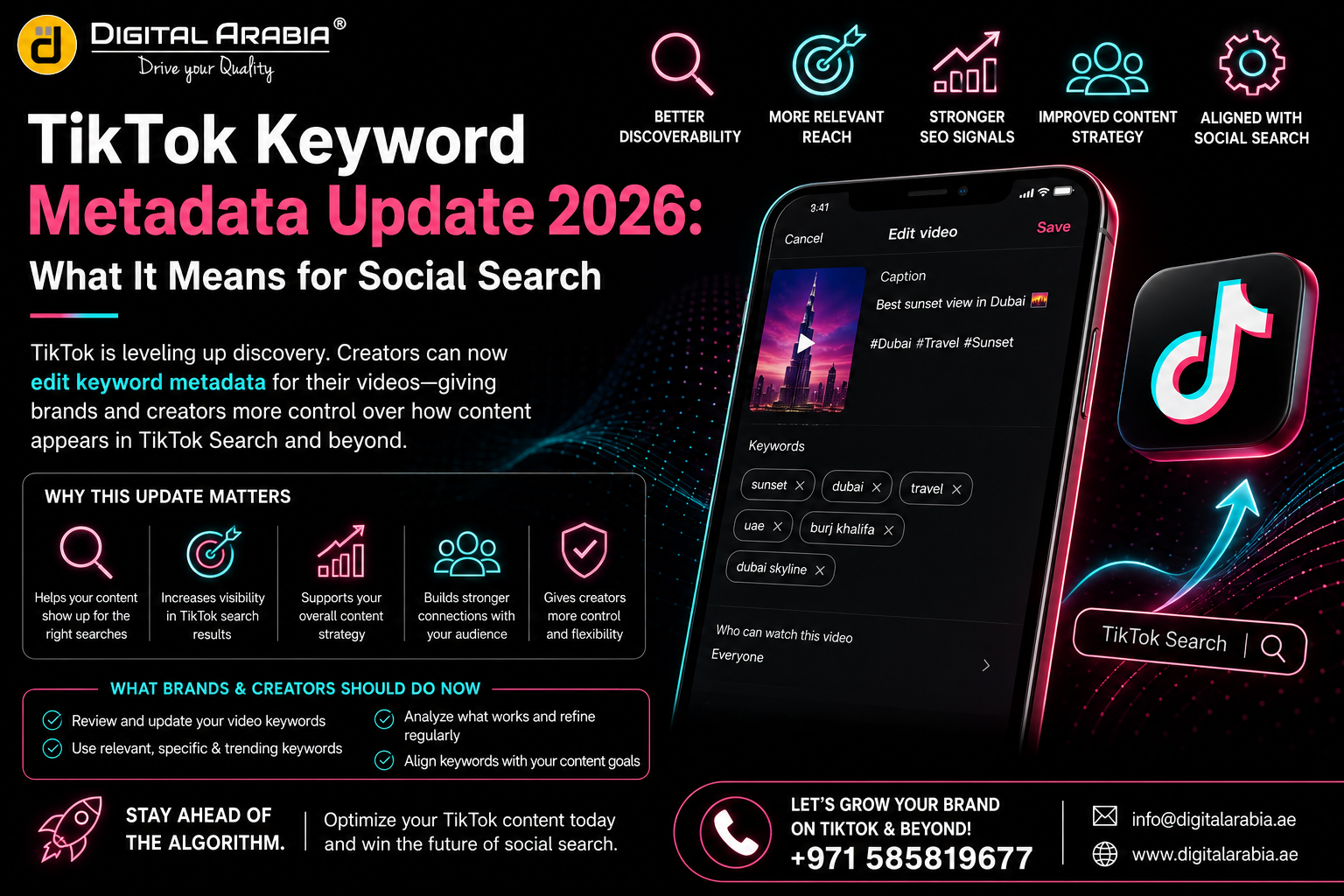
TikTok Gives Creators More Control Over Keyword Metadata: What It Means for Social Search - Updated Guide
news-coverage
TikTok Gives Creators More Control Over Keyword Metadata: What It Means for Social Search
analysis
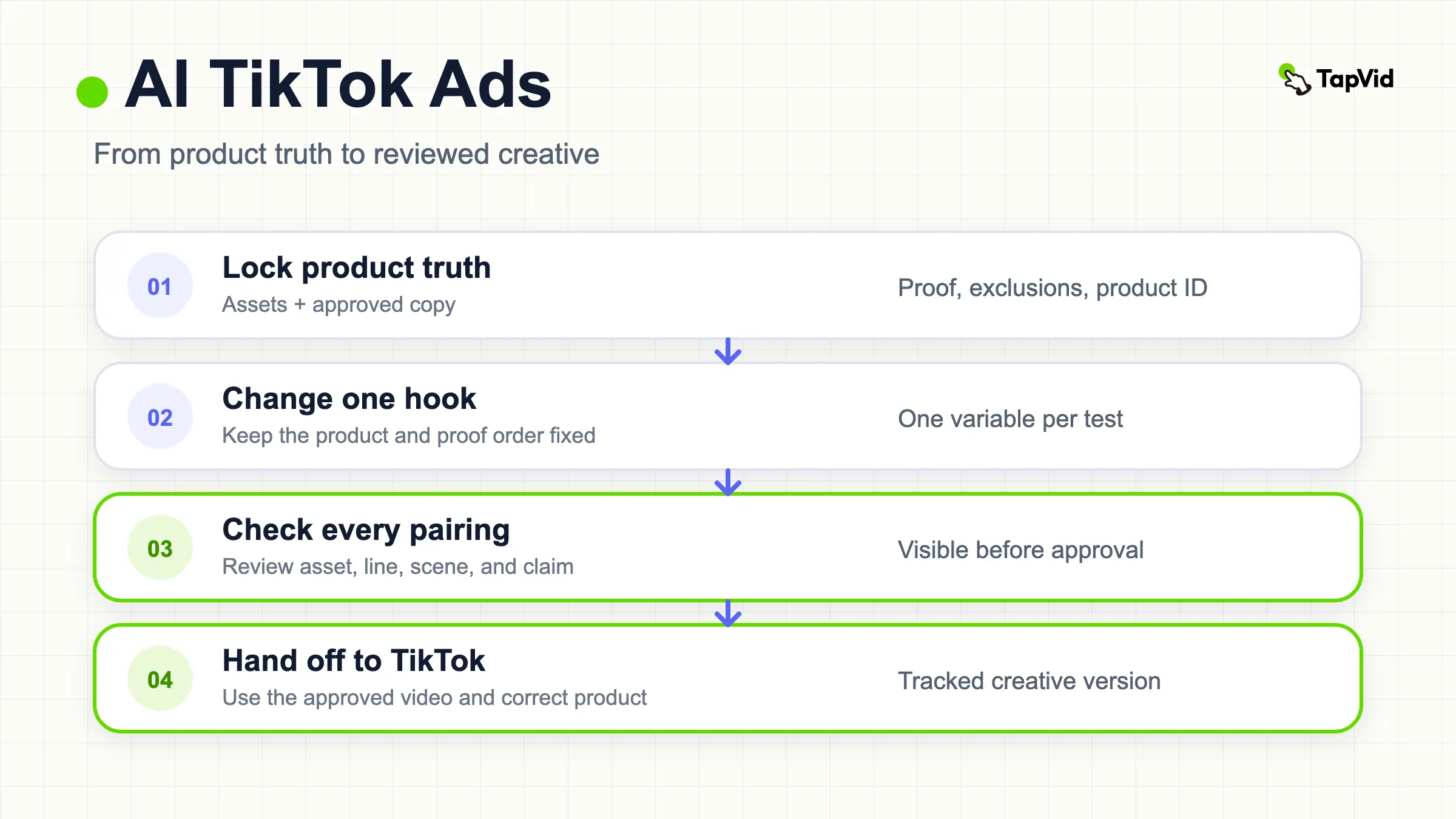
Is AI Making It So Anyone Can Run Effective TikTok Ads?
analysis
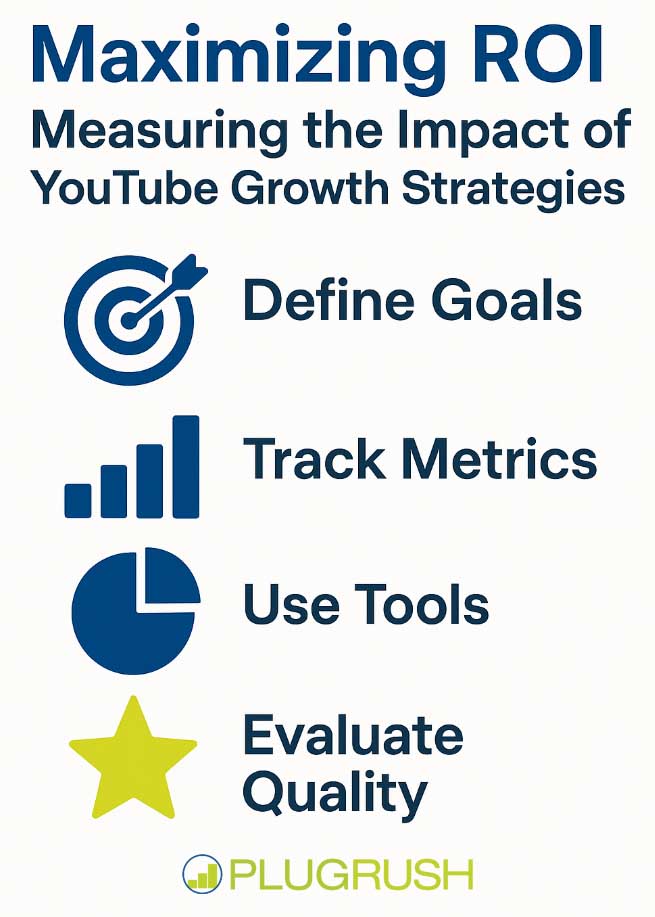
Why YouTube Views Are Higher: The Impact on Your EMV and ROI
analysis

Creating a Video Series: Why Your Business Needs One
how-to-guide

How Dijksman Communicatie chose 11 creators for BYD with Stellar
analysis