







Is AI Making It So Anyone Can Run Effective TikTok Ads?
Is AI Making It So Anyone Can Run Effective TikTok Ads?

Why AI TikTok Ads for Brands Are Moving From Hype to Baseline
AI TikTok ads for brands have crossed the threshold from experimental novelty to everyday execution. Almost every major ad platform now embeds machine learning directly into campaign creation, targeting, and optimization. But the shift brings a paradox: while AI makes launching campaigns far easier, it does not make them automatically effective. In fact, the brands that win with AI TikTok ads are the ones that stop treating the technology as a magic button and start treating it as a decision-support system that still needs human strategy.
What “Effective” TikTok Ads Actually Mean Today

Before you evaluate AI tools, define what “effective” means for your brand. AI TikTok ads for brands can serve many objectives: direct sales, traffic, lead quality, app installs, or brand lift. But each objective demands a different bidding strategy, creative style, and success metric. In the old performance-marketing playbook, CTR and CPM were the usual proxies for health. TikTok, however, is a discovery platform where viewers often engage with low-intent content. A high CTR might simply reflect curiosity, not purchase intent.
A low CPM is not necessarily a win either. If the ad is shown to the wrong audience or delivers weak post-click engagement, the cheap impression becomes expensive wasted spend. For this reason, effective TikTok Ads need to be measured by downstream outcomes: cost per purchase, cost per qualified lead, return on ad spend, or verified brand lift. AI can optimize toward those goals, but only if you configure it to do so.
The Skills That Used to Block TikTok Ad Success
TikTok advertising was once dominated by a handful of performance marketers who understood the platform’s behavior stacks, creative formats, and manual bidding quirks. The core bottlenecks included creative iteration speed—because TikTok rewards fresh content—and the ability to read performance signals fast enough to shift budget. Manual bid management, custom audience segmentation, and hook writing all demanded significant trial and error.
AI removes part of that friction. The arrival of AI TikTok ads for brands didn’t just automate copywriting and bidding; it changed what expertise means. Generative tools can script multiple ad variants in seconds, auto-caption raw video, and even suggest edits. Automated bidding handles micro-adjustments no human could execute in real time. Yet the strategic load doesn’t disappear. It moves upstream.
Here’s the hidden insight most people miss: AI shifts the hard part from running ads to deciding what the ad should say, to whom, and with what creative angle. The algorithm is increasingly good at delivery; the differentiator is direction. A poorly briefed AI campaign can drive thousands of impressions to the wrong people with a weak value proposition. What used to be a tactical skills gap now becomes a strategy gap.
What AI TikTok Advertising Automates (and What Still Needs Human Judgment)
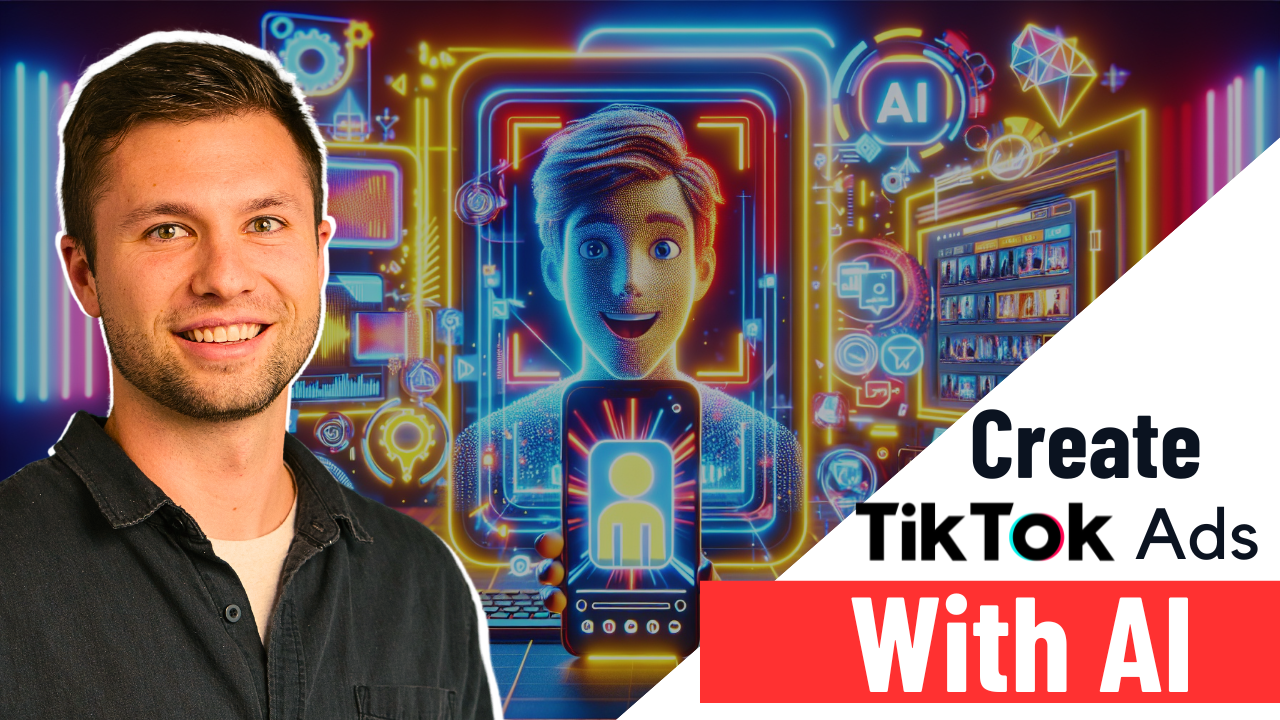
AI-Powered Creative Generation and Hook Testing
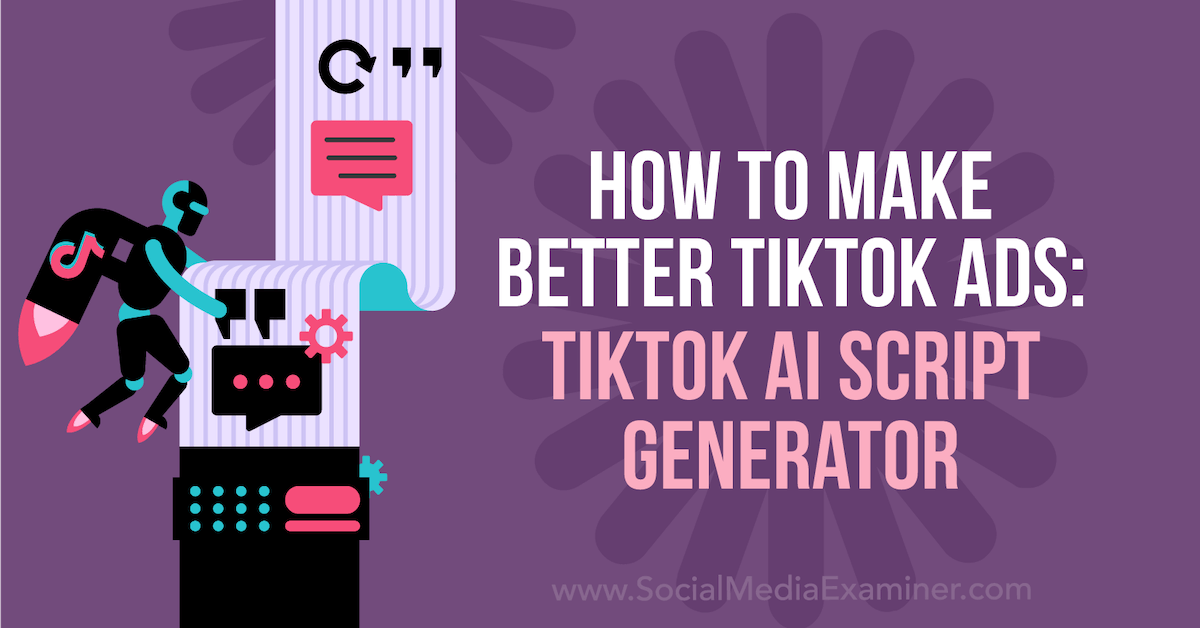
The most visible AI impact is in creative production. Tools like ChatGPT can draft video scripts, while video-generation and editing platforms can assemble raw clips, add trending music, and generate captions. Some platforms automatically produce multiple variants of an ad—different first frames, hooks, and call-to-action overlays—then run structured A/B tests.
This is a major unlock for lean teams, because creative variety is the fundamental lever on TikTok. The algorithm explores an ad based on initial engagement signals; new creative gives it fresh chances to find a resonant audience. Without volume, even the best audience targeting will plateau. AI helps maintain that volume, but human judgment is still needed to judge tone, humor, cultural references, and brand voice.
Automated Targeting, Budgeting, and Bid Optimization

To understand what AI TikTok ads for brands actually automate, it helps to separate delivery from decision-making. Modern TikTok ad accounts can run with machine-learning-driven targeting that goes far beyond interest-based audiences. The pixel analyzes user behavior, lookalike patterns, and conversion probabilities; the platform automatically moves budget toward segments that appear more likely to convert. Automated bidding handles cost caps, bid multipliers, and pacing.
This is where AI TikTok ads for brands stop feeling like science experiments and start becoming operational. A two-person marketing team can launch a campaign, set a cost cap, and let the machine optimize delivery. But the machine’s optimization depends heavily on conversions. If your pixel records the wrong event, or your landing page delays load time, the AI will optimize toward a flawed signal. You still need to configure the system correctly.
The Black Box Problem: Why Human Oversight Still Matters
AI systems are, for most advertisers, a black box. You can see inputs and outputs but not the exact logic used to rank an auction. Blind spots appear in cultural nuance, trending audio, and real-world timing—things that an optimization model cannot infer from past ad performance. An AI algorithm may not recognize that a specific meme format has become toxic, or that a certain phrase carries unintended connotations in a new market.
Human oversight is the quality filter. A responsible strategist watches negative placements, reviews the comment feed, checks brand safety settings, and periodically analyzes the creative insights report. The machine surfaces patterns; context gives those patterns meaning.
TikTok Ads vs Influencer Marketing: Which One Wins in an AI-Powered Strategy?
This is not a permanent either/or. In fact, most mature brands treat TikTok Ads and influencer marketing as complementary instruments. The decision depends on the job to be done.
Direct-Response Goals: Why Paid TikTok Ads Still Win
When you need immediate action from a large cold audience, paid TikTok Ads generally outperform influencer marketing. Retargeting is a prime example: people who visited your site or added to cart need a reminder, and a paid ad can deliver personalized creative to them at scale. The same logic applies to flash sales, app install campaigns, and product launches where you need predictable traffic on a tight deadline.
Paid ads also provide faster scaling. An influencer post can generate a spike, but a paid ad with machine learning can expand from 10,000 impressions to 10 million while preserving a target CPA—assuming your creative holds up.
Trust and Context Goals: Why Influencer Marketing Converts Differently
Influencer marketing wins when the goal is trust or contextual relevance. An audience follows a creator because of shared values, aesthetic taste, or entertainment value. When that creator recommends a product, the endorsement carries social proof that no black-box ad targeting can manufacture. Creator content also tends to feel native to TikTok, which directly affects ad fatigue and engagement.
An additional advantage: influencer content becomes an asset library. Once a creator produces a video, you can license it, run it as a Spark Ad, or repurpose it in user-generated content campaigns. In practice, creator videos often outperform polished brand films because they reflect how real people talk about problems and solutions.
The Hybrid Model: Using AI to Find Creators, Then Boost Their Best Content
The real strategic turn is the hybrid model. Creator content can be your highest-performing TikTok ad creative—especially when the organic video has already shown signs of resonance. Instead of treating influencer marketing and paid ads as separate departments, you can use AI to identify the right creators, brief them, and then amplify their top organic content through TikTok Ads.
This workflow is where discovery platforms become essential. Rather than scrolling endlessly through creator directories, brands can turn to KOL Find, an AI-powered influencer discovery platform that matches brands with relevant TikTok, Instagram, and YouTube KOLs by analyzing audience data and creator fit. The system filters by niche, engagement quality, and audience overlap, so your paid amplification starts with content that already has cultural resonance. That combination—algorithmically identified creator relevance plus paid distribution—frequently outperforms both pure influencer posts and brand-produced ads.
How to Run AI TikTok Ads for Brands With a Lean Marketing Team
The good news: you don’t need an army to run AI TikTok ads. You need discipline. Here is an execution framework designed for lean teams.
Start With One Clear Performance Objective
Before touching any AI tool, pick one North Star metric. Is it cost per new customer? Cost per app install? Return on ad spend? A single objective gives the machine a clear target. If you ask for all outcomes at once, TikTok’s optimization will compromise, and you will not learn what actually moves the business. Define the event, set the attribution window, and make sure only one team member is empowered to change the objective during a learning period.
Feed AI Clean Audience and Offer Signals
Garbage in, garbage out still applies. AI improves when you give it strong audience hypotheses, a clear offer, and a relevant landing page. Before launching, ask: What problem does the creative solve? Who already buys this product? What exact message led that buyer to choose you? Use that insight in the ad script and in the conversion event setup.
Many failed AI campaigns are not algorithmic failures—they are brief failures. The AI was told to optimize toward purchases, but the ad copy promised one thing and the landing page promised another. The algorithm does not know that the mismatch is why conversions are low. It will simply spend more and report a higher CPA.
Structure Fast, Cheap Creative Tests
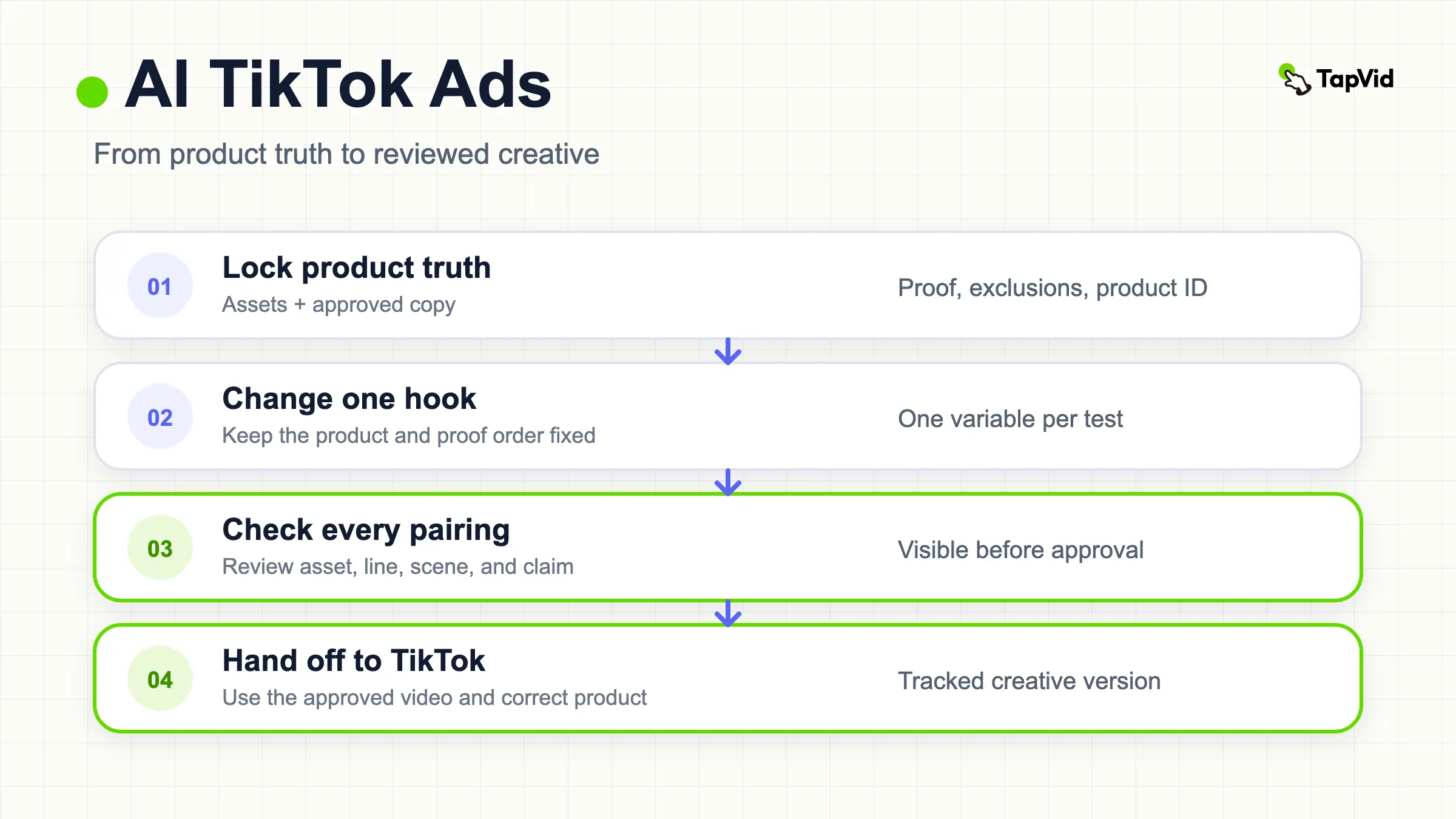
The fastest way to generate learnings is to test multiple hooks with controlled variables. Keep the audience and offer constant, and change only the hook or the first frame. Run the test for a short learning window—typically two to three days—with a conservative budget. Set clear kill criteria in advance: if a creative generates high impressions but below-threshold hook rate or hold rate, stop it.
This structure works because it isolates creative variables. You can then use TikTok’s automated testing to rerun the survivors at larger budgets without wasting money on variations that were never statistically meaningful.
Build Scaling Rules That Protect Profit and Brand Safety
When a winning creative emerges, resist the urge to multiply the budget five times overnight. Sharp budget increases can destabilize the delivery algorithm and push metrics back into learning. Instead, scale gradually—around 20 to 30 percent increases every couple of days—while monitoring frequency and creative fatigue.
At the same time, define guardrails for brand safety. Set negative keywords, exclude inappropriate placements, and review the actual ad placements where your content runs. Keep humans in the loop for approval outside core operating hours. AI handles the repeatable patterns; you handle the anomalies.
The hidden insight: in an AI-driven account, the most important human skill is deciding when to let the machine scale and when to overrule it. That means knowing which metrics signal health and which should trigger intervention.
Signals That AI TikTok Ads for Brands Are Working (or Burning Budget)
You need diagnostic confidence, not just dashboard optimism. Here are the signals that distinguish healthy AI ad accounts from slowly failing ones.
Early-Stage Signals: Hook Rate, Hold Rate, and CPM Trends
TikTok’s key early metrics are hook rate—the percentage of viewers who watch the first few seconds—and hold rate, which measures whether viewers continue through the ad. If hook rate is low, your first frame, headline, or visual is failing. If hook rate is acceptable but hold rate drops sharply, your story isn’t compelling.
CPM trends also matter, but not in isolation. A temporarily high CPM can happen in a new audience or seasonal auction; the signal to worry about is a rising CPM combined with falling engagement or conversion rate. That usually indicates audience fatigue or creative saturation. AI can keep buying impressions, but at ever-higher costs.
CPAs vs. Machine-Optimized Reporting
Beware of celebrating a low CPA if conversion quality is weak. AI TikTok ads for brands optimize for what you tell them to optimize for, not necessarily for profitable revenue. If you set a purchase event, the platform may find users who convert once and never come back. If you optimize for leads, the algorithm may generate low-quality leads that never become customers.
Check post-purchase behavior and lead scoring, not just the ad platform report. Monitor return on ad spend using actual revenue data from your e-commerce platform or CRM. If your AI campaign looks profitable in the dashboard but loses money after refunds, returns, and customer acquisition costs, then the optimization signal is wrong.
When to Overrule AI Recommendations
TikTok’s algorithm will suggest budget increases, audience expansions, and new placements. You should overrule it when a recommendation conflicts with business context. For example, a sudden brand-safety concern—your ad running alongside violent or misleading content—requires immediate human intervention. Similarly, if you know a culturally sensitive moment is unfolding, do not let the algorithm decide unilaterally. The machine lacks real-time world knowledge and will happily deliver ads in contexts that damage brand trust.
AI TikTok Advertising Risks and Trust Guardrails
An honest discussion of AI-driven advertising must include its risks. Over-automation can undermine brand safety, compliance, and consumer trust.
Over-Automation and Brand Safety Blind Spots
Automated placements are not risk-free. TikTok’s algorithm can route ads into environments that are contextually adjacent but not brand-safe—such as content with controversial comments or misinformation. Moreover, AI-generated creative itself can accidentally include copyrighted music, deepfake-style content, or hidden offensive text. Human review loops are essential before launch and periodically during scaling.
Consumer Privacy, Compliance, and Platform Rules
Privacy regulations are tightening, and TikTok’s own advertising policies change frequently. Make sure your tracking setup respects consent frameworks and platform terms. If you run influencer campaigns, disclosure rules apply to native content as well as boosted ads. Brands that fail to comply can lose ad account access or face regulatory penalties. Make compliance a process, not an afterthought.
Attribution Traps: Are AI-Driven Results Real or Optimized Illusions?
Attribution is another blind spot. Last-click models understate the role of creator content and brand building. A user may see an influencer video, later search for your brand, then click a paid ad and convert. The ad gets credit, but the creator deserves some too. Conversely, a paid ad campaign might look inefficient if you attribute sales only to the click that happened days after initial exposure. Cross-platform effectiveness requires incrementality testing and marketing mix modeling, not just platform pixels.
What Real Campaigns Teach Us About AI-Led TikTok Advertising
Anonymized patterns from real work reveal recurring lessons that matter more than platform updates.
Campaign Pattern 1: AI Lowered CPA, But Creative Was Still the Ceiling
A typical brand begins with AI bidding and targeting, and CPA drops noticeably for the first two weeks. Then performance plateaus. The reason is simple: the algorithm has found the cheapest versions of the audience that will respond to this particular ad, but it cannot manufacture demand if the message itself is weak. To keep improving, you must raise the creative ceiling—new hooks, stronger offers, and sharper video editing.
Campaign Pattern 2: Influencer Content Became the Best Performing Ad
Again and again, creator-led content outperforms polished brand ads when run through TikTok Ads. A creator who regularly talks to a specific audience knows how to open a video in a way that holds attention. The best results come from brands that find creators through a platform like KOL Find, then run the creator’s top-performing organic video as a Spark Ad. This effectively converts an influencer partnership into a scalable paid media campaign with built-in social proof.
Campaign Pattern 3: The Account With No Human Strategist Quietly Lost Money
The cautionary pattern is the fully “set-and-forget” AI account. It runs on autopilot for a month, then performance decays because no one checked audience fatigue, negative placements, or broken tracking. The algorithm was still spending, but the account had accumulated ghost audiences, outdated creative, and missed conversion events. AI can maintain the machinery, but a human is needed to notice that the machinery is pointing in the wrong direction.
The Next Frontier: Where AI-Driven TikTok Advertising Is Headed
From Automated Campaigns to Autonomous Brand Ecosystems
The next shift will move AI from optimizing individual campaigns to coordinating entire brand ecosystems. A single system may sync paid TikTok ads, creator content, organic social posts, and real-time social listening. When a creator video starts trending, the system will automatically scale paid budget behind it. When sentiment turns negative, the system will pause ads and alert a human. This will make marketing operations faster, but it also increases the need for governance.
Why Human Creativity and Influencer Trust Become More Valuable
If AI commoditizes ad operations, the durable advantages become creative taste, brand voice, and audience empathy. Algorithms will be able to bid and place ads more efficiently than any human. But they still cannot invent a meaningful story or build the kind of trust that a creator has with their audience. The brands that combine algorithmic efficiency with human creativity—and with strong KOL relationships—will have a moat that pure ad spend cannot replicate.
In that world, “AI TikTok ads for brands” is not a buzzword. It is the new baseline, where everyone has access to the same machine intelligence, and the winners are the ones who decide what to say, whom to reach, and what to protect. That is still a human job.
This article was published via SEOMate
Related Articles
Why AI Makes Content Ecosystems Essential
opinion-piece

Making Instagram Reels Easier, Faster & Scalable
how-to-guide

YouTube Retention Strategy: How to Hook, Hold, and Convert Viewers
how-to-guide
What’s Making AI Impact Difficult to Measure for Marketers?
analysis
YouTube CTR, Instagram Reels Structure, and Industry News
news-coverage
Building Mini Personas to Write Content Your Target Audience Actually Wants
how-to-guide