







Building Mini Personas to Write Content Your Target Audience Actually Wants
Building Mini Personas to Write Content Your Target Audience Actually Wants
Mini Personas for KOL Campaigns: A Deep Dive into Audience Persona for Influencer Matching
Broad demographic personas are easy to build and dangerously easy to trust. A profile that says “women, 25–34, urban, interested in wellness” looks actionable, but it rarely predicts what someone will stop scrolling for, which creator they believe, or what proof they need before buying. For modern KOL campaigns, the sharper unit is the mini persona: a narrow, content-ready audience slice built around a need, a moment, a platform, and a desired outcome. This deep dive explains how to build that kind of audience persona for influencer matching, turn it into creative briefs, and use AI-assisted creator discovery without losing judgment.
The central argument is simple: creator-audience fit is not a vanity metric problem. It is a persona specificity problem. When your persona is vague, every creator looks plausible and every brief becomes generic. When your persona is specific, creator selection, hooks, formats, and measurement all become clearer. That is where an AI-powered platform like KOL Find can help, but only if you feed it the right strategic inputs.
1. Why Broad Personas Fail and Mini Personas Win for Content and KOL Campaigns

1.1 The cost of demographic-only personas
.webp?width=650&height=487&name=basic%20demographic%20profile%20vs.%20detailed%20buyer%20persona%20(2).webp)
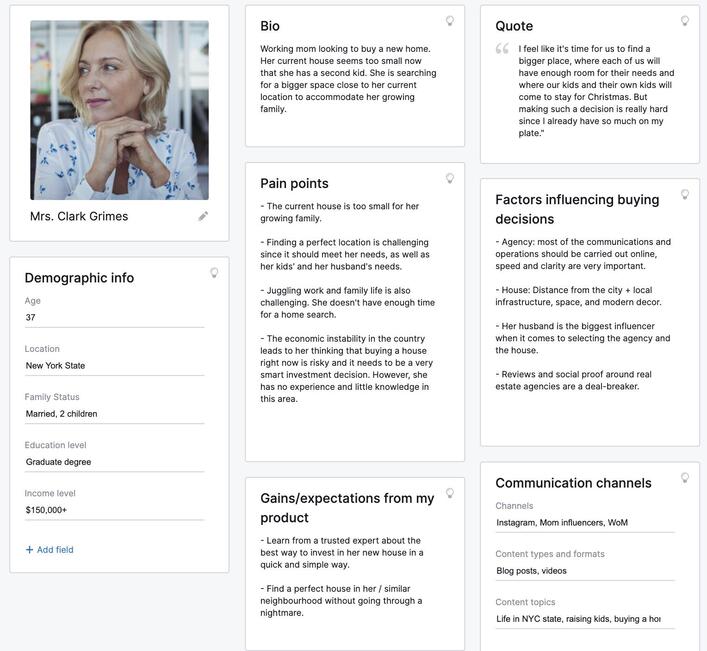
Demographic-only personas fail because they describe containers, not decisions. Age, gender, and location do not reliably predict content preferences, creator trust, or buying behavior. A 29-year-old in Austin and a 29-year-old in Berlin may share an age bracket but consume completely different TikTok formats, follow different Instagram creators, and respond to different proof points on YouTube.
In practice, teams that rely on demographics often make three expensive mistakes. First, they brief creators with generic messages like “authentic wellness content” instead of a specific tension the audience feels. Second, they select creators by follower tier rather than by audience overlap and comment sentiment. Third, they measure reach instead of persona-level resonance, so they cannot tell whether the campaign attracted the right people or merely a large crowd.
1.2 What a mini persona is: a focused, content-ready audience slice
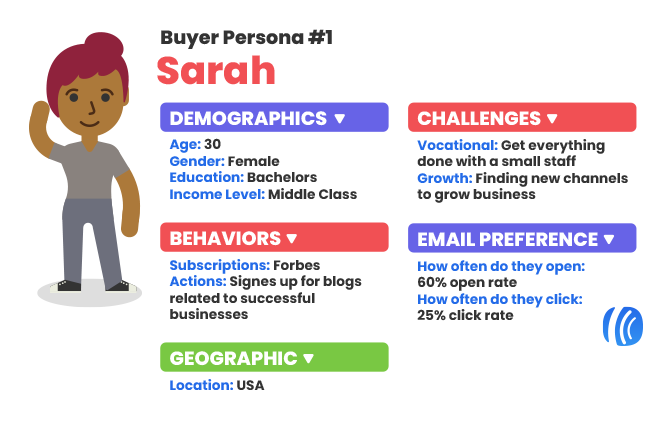
A mini persona is not a fictional biography. It is an operational profile built around a specific need, moment, platform, and desired outcome. Instead of “busy professionals,” a mini persona might be: “First-time managers who meal-prep on Sunday nights, discover recipes on TikTok, distrust overly polished wellness accounts, and want 15-minute high-protein meals that do not require a blender.”
That level of specificity changes everything. It tells you what content to make, which creators have credibility, what objections to address, and what platform behavior to expect. It also creates a natural bridge to AI KOL matching by persona, because the same traits can be translated into searchable filters: interests, tone, format, platform, geography, engagement style, and content themes.
1.3 The link between mini personas and creator-audience fit
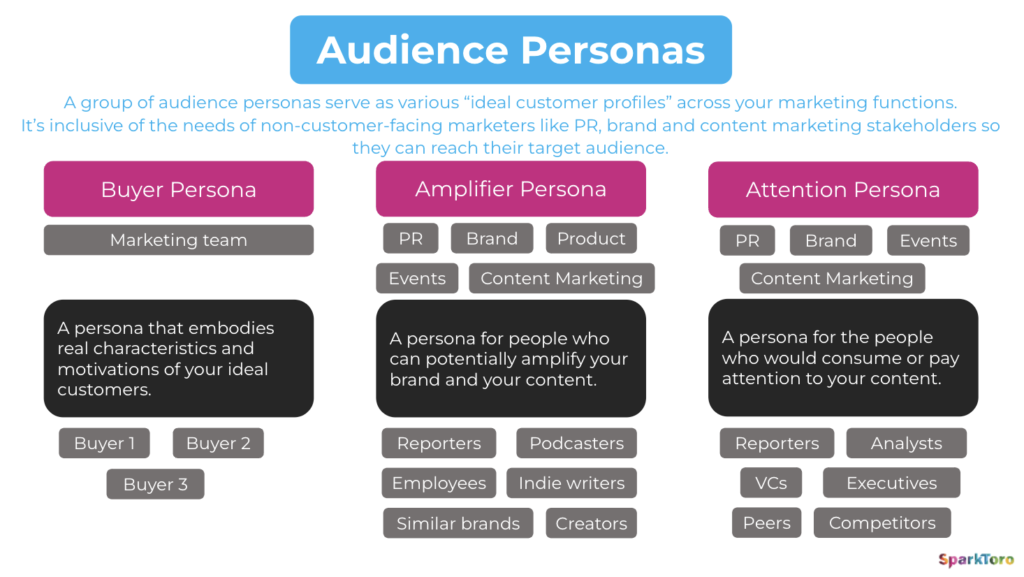
Sharper audience profiles improve creator selection, briefing, and content relevance. A creator may have 500,000 followers, but if their audience comments are full of teenagers asking about school routines, they are a poor fit for a B2B productivity offer. Conversely, a creator with 40,000 highly engaged followers may be perfect because their audience repeatedly asks questions that match your persona’s objections.
KOL Find is useful here because it is an AI-powered platform that instantly matches brands with ideal KOLs on TikTok, Instagram, and YouTube, analyzing millions of data points. But the platform does not replace strategy. It amplifies a well-defined mini persona and exposes a poorly defined one.
2. Building an Audience Persona for Influencer Matching: Data Inputs That Matter
2.1 First-party signals: website, CRM, social, and sales conversations
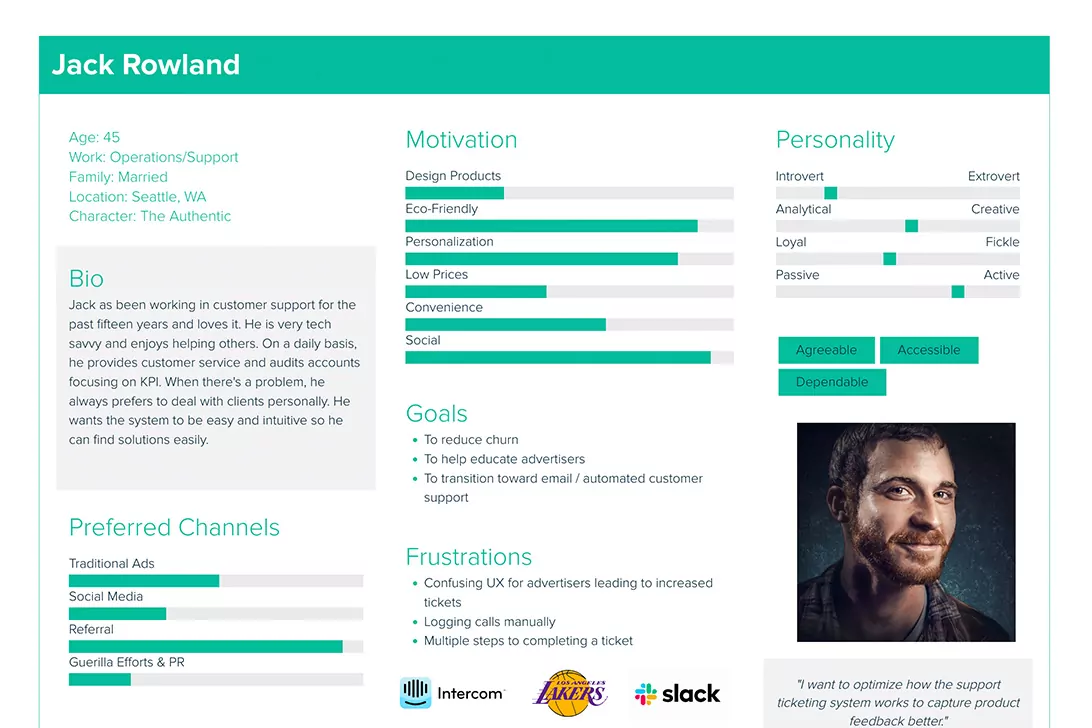
Start with data you already own. Website search queries reveal the language people use when they are trying to solve a problem. CRM notes show which objections slow deals down. Support tickets expose confusing features or unmet expectations. DMs, comments, and survey responses often contain the exact phrases that should appear in creator briefs.
A common mistake is treating first-party data as only quantitative. The most valuable persona clues are often qualitative: a customer saying, “I almost bought this but I wasn’t sure it would work with my Android phone.” That single sentence can become a content angle, a creator talking point, and a proof requirement.
2.2 Social listening and platform-native behaviors on TikTok, Instagram, and YouTube
Each platform has its own grammar. TikTok rewards fast hooks, native text overlays, trend audio, and raw authenticity. Instagram supports carousels, Stories, Reels, and saved posts that function as reference material. YouTube allows long-form demonstrations, reviews, and comparison content that builds deeper trust.
Social listening should capture language, formats, hooks, and pain points specific to each platform. On TikTok, watch which comments get pinned or liked. On Instagram, look at saves and shares, not just likes. On YouTube, read the first 20 comments under review videos; they often reveal hesitations that no survey would surface.
2.3 Influencer engagement data as persona fuel
Creator comments, saves, shares, and audience questions are persona fuel. If a creator’s audience repeatedly asks, “Does this work if I have sensitive skin?” that is a signal. If another creator’s audience debates price versus quality, that is an objection to address.
This is where KOL Find can help analyze large-scale creator and audience signals without relying on guesswork. Instead of manually scanning hundreds of profiles, teams can look for patterns across engagement quality, audience interests, and content themes.
2.4 Privacy, ethics, and bias checks
Persona work involves people, so guardrails matter. Collect data responsibly, aggregate where possible, and avoid building stereotypes. Do not assume that a demographic group shares a motivation simply because of age, gender, or location. Check for bias by asking whether your persona is based on observed behavior or internal assumptions.
A practical rule: if you cannot point to a comment, ticket, survey response, or campaign metric that supports a persona attribute, label it as a hypothesis. Hypotheses are fine, but they should be tested before they drive budget.
3. The Mini Persona Canvas for KOL Campaigns
3.1 Identity and context: roles, moments, and motivations
The canvas begins with situation, daily pressures, aspirations, and the moment the persona is most receptive to content.
| Attribute | Example |
|---|---|
| Role | First-time manager |
| Moment | Sunday evening planning |
| Motivation | Feel prepared without working late |
| Platform | TikTok for discovery, YouTube for depth |
3.2 Content triggers: pain points, desires, objections, and proof needs
List what makes them stop scrolling, what makes them skeptical, and what evidence they need before acting. Pain points might include overwhelm or wasted time. Desires might include confidence or visible progress. Objections might include price, complexity, or trust. Proof needs might include before-and-after demonstrations, third-party reviews, or creator honesty about limitations.
3.3 Platform habits and creator affinity
Describe which creators they trust, what formats they consume, and how they behave on TikTok, Instagram, or YouTube. Do they follow educators, entertainers, practitioners, or micro-communities? Do they save carousels, share Reels, or watch 20-minute reviews? These behaviors shape both creator selection and content format.
3.4 Decision criteria: what makes them trust and act
Identify the proof points, social cues, or offers that move them from interest to action. For some personas, a creator’s personal story is decisive. For others, a demo, comparison table, or limited-time offer matters more. The canvas should make these criteria explicit so creators can deliver them naturally.
3.5 Hidden insight: build negative personas too
Teams often forget to define who not to target. A negative persona prevents mismatched creators and wasted spend. For example, if your product requires setup time, do not target impulse buyers who expect instant results. If your brand is premium, avoid creators whose audience is primarily deal-hunters.
KOL Find can translate canvas attributes into creator search filters, helping teams move from a strategic document to a shortlist without losing the nuance that makes mini personas useful.
4. Content Persona Influencer Strategy: Turning Mini Personas into Creative Briefs
4.1 Message architecture: one persona, one core promise
Each mini persona should have one core promise. If the persona is “overwhelmed first-time managers,” the promise might be “prepare for weekly check-ins in 20 minutes.” If the persona is “skeptical skincare buyers,” the promise might be “visible hydration without a 10-step routine.” One persona, one promise prevents diluted messaging.
4.2 Hooks, angles, and formats by persona stage
Map awareness, consideration, and conversion stages to different hooks, creator styles, and formats.
| Stage | Hook angle | Creator style | Format |
|---|---|---|---|
| Awareness | “Why this feels harder than it should” | Relatable storyteller | TikTok short video |
| Consideration | “I tested three options” | Practitioner reviewer | YouTube comparison |
| Conversion | “Here’s the exact routine” | Trusted educator | Instagram carousel + Reel |
4.3 Repurposing one insight across TikTok, Instagram, and YouTube
One persona insight can become platform-native content without becoming repetitive. A TikTok might open with the pain point in three seconds. An Instagram carousel can break the solution into saved steps. A YouTube video can go deeper into trade-offs and real use cases. The persona stays the same; the format respects the platform.
4.4 Content calendar mapping persona to campaign moment
Schedule content around persona triggers, platform behavior, and campaign goals. If the persona is most receptive on Sunday evening, publish planning content then. If they research on YouTube before buying, place long-form reviews earlier in the campaign. KOL Find can support a content persona influencer strategy by connecting persona briefs to matched creators who already make the right formats for those moments.
5. Using AI KOL Matching by Persona to Find the Right Creators
5.1 From persona traits to searchable matching criteria
Convert qualitative persona details into filters: audience interests, creator tone, platform, geography, engagement style, and content themes. A persona that distrusts polished ads should match creators with conversational, unscripted delivery. A persona that needs technical proof should match creators who demonstrate rather than merely endorse.
5.2 Evaluating creator-audience fit beyond follower count
Audience overlap, comment sentiment, and content-audience alignment matter more than vanity metrics. A creator with lower reach but high save rates may outperform a celebrity creator whose audience is broad and indifferent. Look for comment quality, repeated questions, and whether the creator’s past partnerships feel native.
5.3 How AI KOL matching by persona works under the hood
Under the hood, AI matching typically combines structured signals, text embeddings, engagement quality, and similarity scoring. The system may cluster audiences by interest, rank creators by predicted fit, and penalize mismatches.
similarity_score =
  w1 * audience_interest_overlap +
  w2 * tone_alignment +
  w3 * engagement_quality +
  w4 * brand_safety +
  w5 * platform_fit -
  penalty * audience_mismatch
The weights depend on campaign goals. For awareness, platform fit and tone may matter more. For conversion, proof style and audience intent may dominate. The important point is that AI KOL matching by persona should be explainable enough for humans to challenge.
5.4 Workflow: KOL Find analyzes millions of data points to identify perfect influencer partners
A practical workflow looks like this: upload the mini persona, review matches, compare creators side by side, shortlist based on fit and risk, then brief with persona evidence. KOL Find is built for this kind of workflow, and you can learn more at KOL Find. The goal is not to automate judgment but to shorten the distance between a sharp persona and a credible creator list.
6. Target Audience Persona + KOL Finder: Shortlisting and Vetting Creators
6.1 Building a persona scorecard for shortlisting
Use a scorecard for audience fit, content style, brand safety, engagement quality, and campaign feasibility.
| Criterion | What to check | Weight |
|---|---|---|
| Audience fit | Interest overlap, comment themes | High |
| Content style | Tone, format, native feel | High |
| Brand safety | Past controversies, risky topics | High |
| Engagement quality | Comments, saves, shares | Medium |
| Feasibility | Budget, timing, deliverables | Medium |
6.2 Red flags: audience mismatch, fake engagement, brand safety
Warning signs include mismatched comments, sudden follower spikes, generic praise, and controversial past content. A creator’s audience may be large but irrelevant. Fake engagement often appears as repetitive emojis or comments that do not reference the content. Brand safety requires checking not just recent posts but also the creator’s comment section.
6.3 When to use a KOL finder—and when manual research is enough
Use a KOL finder for scale, speed, and pattern detection. Manual research may be enough for very niche campaigns, local creators, or when you already have strong relationships. A target audience persona KOL finder helps teams shortlist faster and with more confidence, but manual review still matters for final judgment.
6.4 Briefing and negotiation with persona evidence
Persona data can justify creator selection, content direction, and fair pricing. Instead of saying “we want a wellness creator,” say “we need a creator whose audience asks about quick meal prep and values honest reviews over polished routines.” That specificity helps creators deliver better work and helps teams negotiate based on fit, not just follower count.
7. Testing Mini Personas for KOL Campaigns with Small-Budget Experiments
7.1 Designing content tests per persona segment
Test one variable at a time: one persona against one creator, one hook, or one format. If you change the creator, hook, and format simultaneously, you will not know what caused the result.
7.2 Metrics that validate persona fit
Track scroll-stopping rate, watch time, saves, shares, comments, click-through rate, and conversion quality. Saves and shares are often stronger persona-fit signals than likes because they indicate future intent or social endorsement.
7.3 Iterating personas after campaign feedback
Refine persona language, objections, and triggers based on real campaign data. If comments reveal a new objection, add it to the canvas. If a hook consistently fails, rewrite the core promise. Personas should evolve with evidence.
7.4 From test to scale: budgeting and rollout
Increase spend when a persona shows strong engagement and conversion quality. Expand creator lists only after the message proves itself. Retire a persona when repeated tests show low resonance or poor economics. KOL Find is useful for scaling validated mini personas for KOL campaigns across creator sets without starting from scratch.
8. Real-World Example: From Mini Persona to Multi-Platform KOL Campaign
8.1 Scenario: a wellness brand targeting busy professionals
Imagine a wellness brand selling a high-protein breakfast mix. The broad target is “busy professionals,” but that is too vague. The mini persona becomes: “Remote workers who skip breakfast, discover recipes on TikTok, trust YouTube reviewers who show real mornings, and want something that tastes good without a blender.”
8.2 Persona development and creator matching with KOL Find
The team mines support tickets, DMs, and comments. They find three recurring objections: texture, prep time, and price per serving. They build a mini persona canvas and use KOL Find to identify TikTok creators with quick-recipe audiences, Instagram creators who save meal-prep carousels, and YouTube reviewers who test products in real routines.
8.3 Content variations and results
On TikTok, the hook is “breakfast in 20 seconds without a blender.” On Instagram, a carousel compares three mix-ins and saves. On YouTube, a creator documents a week of breakfasts and discusses texture honestly. Early signals focus on saves, shares, and comment questions rather than raw views.
8.4 Lessons from production and what to repeat
The lesson is that persona specificity improves creator fit. The team repeats the objection-handling format, doubles down on creators whose audiences ask about texture, and drops creators whose comments focus only on aesthetics. Iteration speed matters more than perfect planning.
9. Common Pitfalls, Advanced Techniques, and Authority Checks
9.1 Pitfall: personas based on assumptions, not behavior
Internal brainstorming without audience data creates false confidence. If no customer quote, comment, or ticket supports an attribute, treat it as a hypothesis and test it.
9.2 Pitfall: too many mini personas, diluted content
Over-segmentation spreads budget and attention. Prioritize the few personas that matter most to revenue, retention, or strategic growth.
9.3 Advanced: dynamic personas from live campaign data
Update personas monthly or quarterly using campaign performance and creator engagement. A dynamic persona is a living document, not a one-time workshop artifact.
9.4 Advanced: persona-to-creator lookalike modeling
Use successful creator-persona matches to find similar creators at scale. If a creator performs well, identify the audience traits, content themes, and engagement patterns that made the match work, then search for lookalikes.
9.5 Authority check: what platform best practices say about audience-first creator selection
Platform best practices consistently emphasize platform-native content, audience relevance, transparency, and measurable outcomes. KOL Find acts as an AI layer that supports ongoing persona refinement and creator discovery, but the strategic standard remains audience-first selection.
10. Measuring Success: KPIs and Performance Benchmarks for Persona-Led Content
10.1 Awareness and engagement metrics by persona
Break down reach, impressions, watch time, saves, shares, and comment sentiment per persona. A single campaign can contain multiple mini personas, so aggregate metrics hide the truth.
10.2 Conversion and assisted revenue attribution
Connect creator content to signups, purchases, or assisted conversions. Use UTM parameters, unique landing pages, promo codes, and post-purchase surveys to connect content to revenue.
10.3 Benchmarking against industry standards
Compare performance by platform, creator tier, and campaign objective. Benchmarks should guide questions, not blind decisions. A lower CTR on YouTube may still indicate strong assisted conversion if watch time and comment intent are high.
10.4 Building dashboards that connect content to KOL performance
Report persona-level insights for stakeholders. Show which persona, creator, hook, and platform combination produced the best qualified action. KOL Find can help structure creator data for cleaner performance comparisons across campaigns.
Conclusion
Mini personas are the operating system for modern KOL campaigns. They replace broad assumptions with behavior-based slices, align creators to real audience needs, and make briefs, testing, and measurement more precise. If you want a stronger audience persona for influencer matching, start narrow, validate with data, and scale only what works. AI-powered platforms like KOL Find can accelerate discovery, but the strategic advantage comes from knowing exactly who you are trying to reach, when they are receptive, and what proof they need to act.
This article was published via SEOMate
Related Articles

Why Unpolished Reels Win: An Instagram Growth Strategy for Business
how-to-guide
Cyber5 Prep: Are You Ready for Paid Media’s Biggest Week?
how-to-guide
How YouTube’s Algorithm Can Find Your Customers for Free
how-to-guide
Is AI Making It So Anyone Can Run Effective TikTok Ads?
analysis
Why YouTube Views Are Higher: The Impact on Your EMV and ROI
analysis

Creating a Video Series: Why Your Business Needs One
how-to-guide