








A Proven Instagram Strategy for Business Growth
A Proven Instagram Strategy for Business Growth
Instagram Business Growth Strategy: A Deep-Dive Playbook for Data-Driven Brands in 2025
An Instagram business growth strategy is no longer optional. With more than two billion monthly active users and an algorithm designed to reward meaningful interaction, brands that post on autopilot are simply feeding reach to competitors. In this deep-dive, you’ll learn how to build a growth system that combines analytics, content strategy, paid amplification, and influencer collaboration — including how AI-powered tools like KOL Find fit into the process.
Understanding the Instagram Business Growth Landscape
Why Organic Reach Needs a Strategic Overhaul
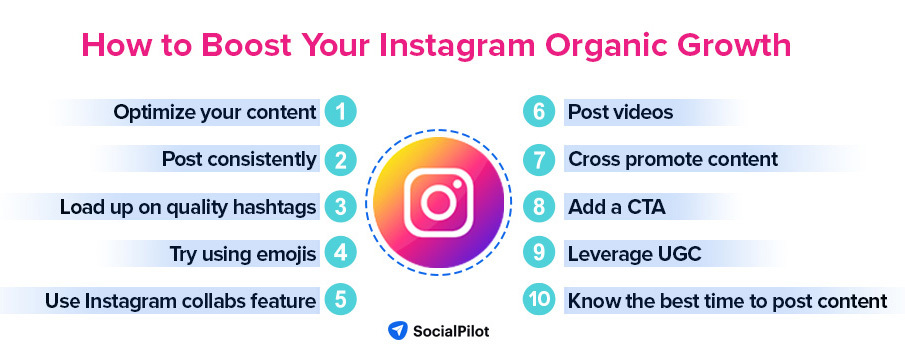
Instagram’s algorithm was already moving away from chronological feeds, but today it goes much further. The platform now prioritizes depth of engagement: saves, shares, DMs, and watch time. A Reel that gets 1,000 comments can outperform one with 10,000 impressions, because the algorithm uses real-time interaction to decide who should see your content next.
In practice, this means the “post every day and hope” approach is dead. A strategic overhaul starts by asking one question: what is each post designed to do? If the answer isn’t “educate, entertain, inspire, or convert,” that post is adding noise, not growth.
The True Cost of Ignoring Instagram Analytics

Brands that ignore analytics are guessing while competitors are compounding learning. Start with three metrics: engagement rate, follower quality, and conversion tracking.
- Engagement rate is the percentage of people who reach your post and react — likes, comments, saves, shares — divided by total reach.
- Follower quality tells you how much of your audience matches your buyer persona.
- Conversion tracking connects Instagram activity to website purchases, leads, and offline sales.
Built-in Instagram Insights is useful, but for deeper analysis you need event tracking through the Meta Pixel or the Instagram Graph API. That lets you see not just “people who clicked,” but “people who clicked and purchased from this campaign.” Without that visibility, your strategy is based on hope.
Defining Your Brand’s Growth Goals Beyond Follower Count
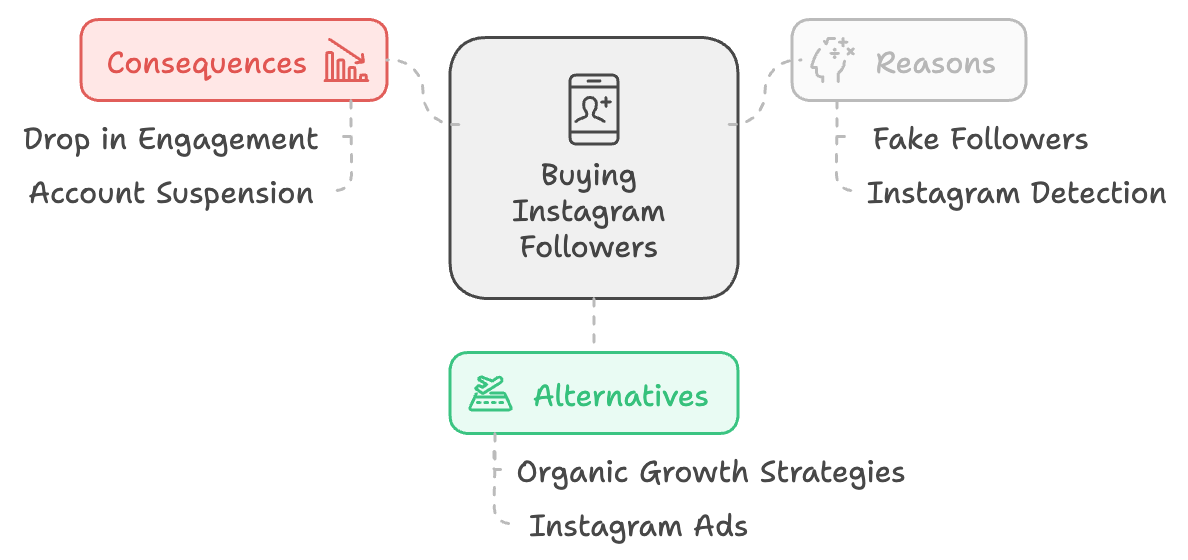
Follower count is not a strategy. Before planning content, decide what followers should do. Your Instagram business growth strategy should center on traffic, leads, direct sales, brand awareness, or community building.
Each goal carries different economics. A brand that wants direct sales will prioritize shoppable posts and strong calls to action. A lead-generation brand might use DM automation or newsletter signups. A brand-awareness play focuses on reach and shareability. The important step is to tie every goal back to revenue and customer lifetime value.
Building a Data-Driven Instagram Marketing Foundation for Brands

Identifying Your Ideal Customer on Instagram
You cannot grow without knowing who you need to reach. Start with an audience persona: age, location, interests, and the accounts your customers already follow. Use Instagram’s Audience Insights to compare that persona against your current follower base.
One advanced tactic is using AI-powered influencer analytics to reveal audience overlaps. Platforms like KOL Find can analyze millions of data points to show which creators share followers with your existing customer base. This gives you a precise picture of where your next audience is, before you spend a single advertising dollar.
Mapping the Social Commerce Journey: Discover, Follow, Convert

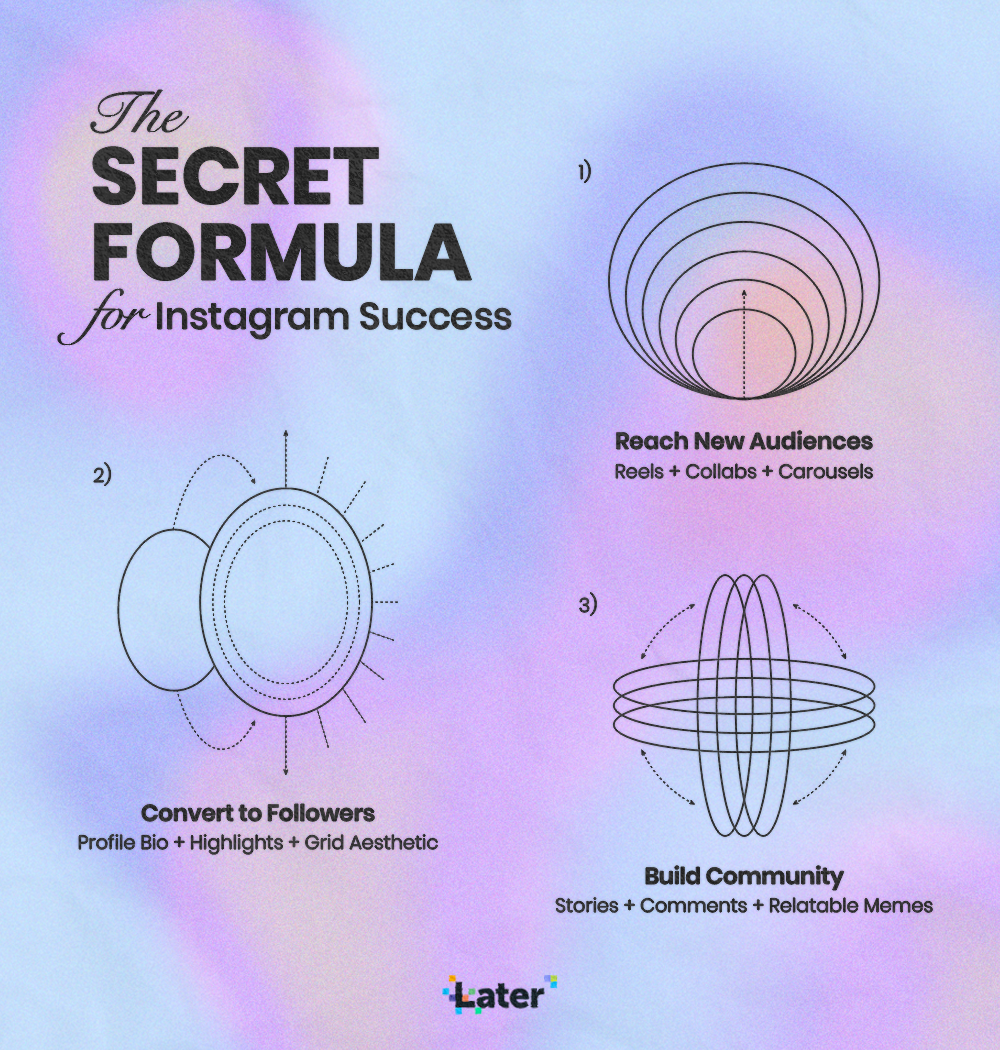
The Instagram customer journey has three stages: discover, follow, and convert.
Discovery happens through Explore, Reels, shares, paid ads, and influencer posts. The goal at this stage is to earn a follow. The follow stage is where trust is built through consistent content and profile optimization. Conversion is the moment when an offer, link-in-bio, or DM conversation turns that trust into revenue.
Organic content covers the top and middle of the funnel. Paid ads accelerate the bottom. Influencers act as trust bridges between discovery and purchase. Every piece of content you publish should map to at least one of these stages.
Using Audience Insights to Shape Content Pillars

Once you understand your audience’s pain points, turn them into repeatable content themes. For example, a sustainable skincare brand might discover that their audience is confused by ingredient labels. That insight becomes three pillars: educational (“what non-comedogenic actually means”), inspirational (“real customer transformation”), and promotional (“new serum launch, 20% off”).
Educational content builds authority, inspirational content builds desire, and promotional content captures demand. Rotating these pillars turns content creation into a system instead of a stressful daily scramble.
Core Content Strategy: Instagram Business Growth Strategy in Practice

The Content Mix That Converts: Teach, Entertain, Inspire, Sell
No one wants to follow a feed that is 90% sales posts. A practical split for most brands is 80% value-first content and 20% direct selling. Value-first content can teach a skill, entertain through humor, or inspire with a customer story. The key is relatability, not polished perfection.
One brand we worked with replaced every third promotional post with a founder story about a business mistake. DMs increased by 40%, and many of those conversations led directly to sales. Storytelling humanizes the brand, and the algorithm rewards the conversations that follow.
How to Reverse-Engineer Winning Reels and Carousels
If you want to know what works, stop guessing. Choose ten high-performing Reels or carousels from competitors and adjacent brands. Analyze the hook, content structure, call to action, and length. Did the first three seconds make you want to stop scrolling? Did the caption invite a save or a comment?
A common underused tactic is to make the first frame ask a provocative question or present a bold claim instead of showing the brand logo. Another is ending with a “save this for later” micro-CTA. Saves are a powerful algorithmic signal, because they tell Instagram that the content has long-term value.
The Hidden SEO Value of Instagram Captions and Alt Text
Most brands treat captions as an afterthought, but Instagram Search can now read keywords from captions, alt text, and profile fields. A caption like “best organic dog shampoo for sensitive skin” can help you appear when someone searches exactly that phrase.
Image alt text is even more overlooked. Write descriptive alt text that includes your primary keyword naturally. For example, instead of dog shampoo, use organic dog shampoo with oatmeal for dogs with itchy skin. It improves accessibility and gives you a search visibility edge that most brands ignore.
Optimizing Your Instagram Profile for Search and Conversions
Keyword-Rich Name, Bio, and Instagram SEO Fields
Your profile is the most valuable real estate you control. Your display name is searchable, so don’t waste it. If you are a coffee brand called Bloom & Root, use Bloom & Root Coffee | Brew Guides as your display name. The word “Coffee” is now a keyword.
Your bio should answer three questions: who you are, what problem you solve, and what the visitor should do next. Example: Small-batch pour-over blends. Free brewing guide in link. Also choose a specific category like “Coffee Shop” or “Roaster” to help Instagram understand your niche.
Turning Your Profile into a Sales Funnel
Every profile visit should have a clear next step. Use pinned posts for your best-converting content, whether that is a video explaining your philosophy or a carousel of customer testimonials. Highlights should organize FAQs, offers, and your brand story. The CTA button can say “Shop Now,” “Book Now,” or “Sign Up.” When all these elements align, your profile becomes a landing page rather than a portfolio.
Link-in-Bio Strategies That Actually Track Leads
Choose a link-in-bio tool that supports UTM tracking. You need to know which Instagram post drove traffic, not just how many taps the link received. Use different links for different campaigns, and make sure each link goes to a landing page that matches the context of the post.
If a post is about a tea discount, link directly to the discounted tea product, not your homepage. Align the CTA text with the destination. “Shop the Tea Bundle” invites more intentional clicks than “Link in bio.”
Instagram Marketing for Brands: Organic and Paid Amplification
When to Boost High-Performing Organic Posts
Boosting is most effective when a post already has strong engagement but has stopped reaching new people. If a Reel has a 3% engagement rate and 2,000 views, boosting it with a small budget can extend its life. If engagement is weak, boosting will simply show bad creative to a larger audience.
A good starting test is $50 to $100 per post. Measure the cost per result, and scale only when you see a return that matches your goal.
Retargeting Tactics for Instagram Traffic
Instagram’s paid ecosystem works best when you retarget people who already know you. Create custom audiences from profile visitors, page engagers, people who watched at least three seconds of a video, and website visitors.
A simple funnel structure is awareness, consideration, conversion. Awareness targets lookalike audiences. Consideration engages people who showed interest. Conversion retargets with a strong offer. The goal is not to annoy people, but to stay visible as they move from discovery to decision.
KOL Find: AI-Powered Influencer Discovery to Amplify Brand Reach
One of the fastest ways to scale an Instagram business growth strategy is through influencer collaboration. KOL Find is an AI-powered platform that helps brands identify ideal Key Opinion Leaders on Instagram, TikTok, and YouTube. It analyzes audience alignment, engagement authenticity, and follower growth patterns across millions of data points.
Instead of manually scrolling through hashtags, you can filter by niche, location, follower count, and engagement rate to build a qualified creator shortlist in minutes. This removes guesswork from discovery and helps you partner with creators whose audiences genuinely overlap with your target buyer.
Instagram Influencer Collaboration: A Strategic Guide
Why Influencer Collaboration Is a Pillar of Instagram Business Growth
Influencer content is trusted social proof. When a creator recommends a product, their audience sees it as a friend’s advice rather than a corporate ad. A well-matched influencer can introduce your brand to thousands of qualified buyers and generate content you can reuse in your own campaigns.
Micro vs. Macro Influencers: Which Is Right for Your Brand?
| Criteria | Micro (10k–100k followers) | Macro (100k–1M+ followers) |
|---|---|---|
| Reach | Smaller but highly targeted | Large and broad |
| Engagement rate | Usually higher | Often lower |
| Cost | Lower per post | Significantly higher |
| Authenticity | High; feels personal | Can feel commercial |
| Best for | Niche communities and conversions | National awareness campaigns |
If your budget is limited, micro-influencers are almost always the smarter choice. They have a tighter connection with their audience and are often willing to build long-term relationships. Macro influencers make sense when you have tested creative and need mass reach.
Using KOL Find to Match with the Right KOLs Across Instagram, TikTok, and YouTube
KOL Find’s real advantage is cross-platform data. An Instagram micro-influencer might also have a highly engaged TikTok audience, and KOL Find can evaluate that fit on one screen. The time savings are significant: manual discovery can take days, while a data-backed platform produces recommendations in hours.
When to Use Influencer Collaboration (and When Not To)
Influencer marketing is not always the right move. If you sell a niche B2B product, a macro influencer with a consumer audience will not produce qualified leads. If you cannot track influencer-driven sales with discount codes or UTM links, you are spending on blind trust. And if your budget is too small for even micro-influencer rates, focus on strengthening your organic content first.
Real-World Implementation: A 90-Day Instagram Playbook
Days 1–30: Audit Your Account and Set Your Baseline
Optimize your profile with a keyword-rich display name, clear bio, and specific category. Audit your last 90 days of content to identify which formats performed best. Research three competitors and note what they do better. Build a content calendar with 12 to 15 posts that mix educational, inspirational, and promotional themes.
Days 31–60: Test Content Formats and Engagement Tactics
Run controlled tests between Reels, carousels, and static posts. Post each format at least three times and vary your posting times. Add a daily community management block: ten minutes for comments, ten minutes for DMs, and five minutes for engaging with accounts in your niche.
After two weeks, look at the data. Double down on the formats that outperform and drop the ones that don’t. Adapt quickly instead of waiting for a monthly review.
Days 61–90: Scale with Influencer Collaborations and Paid Campaigns
By month three, you know which content resonates. Approach influencers that match the profile you built in month one. Start with a free product plus an affiliate code, or negotiate a paid collaboration if the ROI is clear.
Boost your top three posts from month two and set up retargeting campaigns for profile visitors and video viewers. Every influencer post should include a direct CTA, such as a comment for a discount code or a link to a specific landing page.
Lessons from Real Brand Campaigns: What Works in Practice
Successful Instagram campaigns share three patterns: consistent storytelling, creator-led content, and real community interaction. Brands that grow the fastest are not always those with the largest budgets. They are the ones that show up consistently with a distinct voice and actually listen to their audience.
Common Pitfalls to Avoid in Instagram Business Growth Strategy
The Vanity Metrics Trap
Likes and follower counts can be dangerously misleading. A post might have thousands of likes but generate zero saves or DMs. Saves, shares, comments, and click-through rates are stronger signals of a growing relationship. When you focus on those, the likes and followers usually follow.
Posting Consistency vs. Content Quality Imbalance
Some brands post once a month; others post five times a day. Both can fail. Low-volume accounts lose relevance, while high-volume accounts with weak content drive followers away.
A realistic cadence is the highest number of posts you can sustain without dropping below your quality bar. For most brand teams, that is three to four Reels and two carousels per week. Start smaller if needed and build from there.
Ignoring Community Management and Social Listening
Instagram is a social platform. A brand that ignores comments and DMs loses trust and algorithmic reach. Build a simple workflow: reply to comments within 24 hours, answer DMs within a few business hours, and use saved responses for common questions.
Social listening also matters. Track brand mentions in comments and captions to spot product issues and new content ideas before they become trends.
Knowing When to Pause or Pivot Your Instagram Strategy
Do not marry yourself to a failing plan. If a content theme has not performed after six posts, drop it. If engagement declines while follower count increases, your audience is probably not the right fit. If a campaign feels stale or no longer aligns with your brand message, pause it. A good Instagram business growth strategy is flexible and guided by data.
Measuring and Iterating Your Instagram Business Growth Strategy
Key Performance Indicators That Tie to Revenue
Stop tracking everything and focus on a simple scorecard. Leading indicators tell you if content is resonating; lagging indicators tell you if it is making money.
| Type | Metric |
|---|---|
| Leading | Reach, engagement rate, share rate, save rate |
| Lagging | Click-through rate, leads, signups, direct sales, return on ad spend |
If reach is high but click-through is low, your content is interesting but your offer or CTA needs work.
Monthly Review Rituals to Optimize Content Performance
Set aside two hours each month to review your best and worst posts. What did the top three have in common? Which CTAs generated the most clicks? What should you never post again?
Use those answers to decide next month’s mix. Many teams allocate 50% of their capacity to proven formats and 50% to experiments, keeping the strategy fresh.
Adapting Your Instagram Marketing Strategy to Platform Updates
Instagram changes constantly. New features, algorithm tweaks, and editing tools can affect how content performs. Stay informed by following Instagram’s official blog and testing new features early. First-mover advantage on a new feature can generate outsized reach before the competition catches up.
Revisit your entire Instagram marketing strategy quarterly. What worked in Q1 may be outdated by Q3.
Conclusion
An Instagram business growth strategy is not a one-time fix. It is an ongoing system of audience research, content testing, profile optimization, paid amplification, and influencer collaboration. Start with a clear goal. Measure what matters. Use data to decide where to invest. And when you are ready to add influencer partnerships, use an AI-powered platform like KOL Find to build your shortlist faster and make smarter decisions. Follow the 90-day playbook, avoid vanity metrics, and you will build a channel that generates real revenue — not just activity.
This article was published via SEOMate
Related Articles

Why Unpolished Reels Win: An Instagram Growth Strategy for Business
how-to-guide
Cyber5 Prep: Are You Ready for Paid Media’s Biggest Week?
how-to-guide
How YouTube’s Algorithm Can Find Your Customers for Free
how-to-guide
Is AI Making It So Anyone Can Run Effective TikTok Ads?
analysis
Why YouTube Views Are Higher: The Impact on Your EMV and ROI
analysis

Creating a Video Series: Why Your Business Needs One
how-to-guide